Table of Contents
ToggleFifteen years after its release, The Elder Scrolls V: Skyrim isn’t just a game, it’s a cultural phenomenon that refuses to fade. While Bethesda continues to re-release the game on every platform imaginable, the real story lives in the community’s creativity. From breathtaking digital paintings to hilarious comic strips about arrows and knees, Skyrim fan art has evolved into a thriving ecosystem that rivals even the game’s legendary modding scene.
Whether you’re hunting for wallpaper-worthy landscapes of the Throat of the World, detailed character portraits of your favorite Khajiit companion, or memes about quicksaving before committing crimes, the world of Skyrim fan art has something for everyone. This guide dives deep into the most vibrant corners of this artistic community, where to find masterpieces, who’s creating them, and how you can join the ranks yourself.
Key Takeaways
- Skyrim fan art has evolved into a thriving ecosystem spanning character portraits, environmental landscapes, and humor comics, offering diverse creative outlets for artists of all skill levels.
- The versatility of Skyrim’s medieval fantasy aesthetic allows fan art to flourish across multiple styles—from photorealistic digital paintings to anime interpretations and pixel art—keeping the community fresh and culturally relevant 15 years after release.
- Top platforms for discovering and sharing Skyrim fan art include ArtStation (professional digital work), DeviantArt (varied traditional and digital styles), Reddit’s r/skyrim community (real-time feedback), and Instagram (hashtag discovery), each serving different artist and collector needs.
- Aspiring Skyrim fan artists should invest in foundational skills and affordable tools like free software (Krita) and budget-friendly tablets ($50-150) rather than expensive gear, as skill development matters infinitely more than equipment.
- Monetization opportunities range from commission work ($50-500+ depending on complexity) to print-on-demand services and Patreon, with Bethesda historically supporting fan creators as long as they avoid large-scale commercial operations or brand confusion.
- The intersection of Skyrim fan art and the modding community has created a symbiosis where artists contribute textures, character presets, and loading screen replacements, expanding both the visual and playable universe beyond Bethesda’s original content.
Why Skyrim Fan Art Continues to Thrive After 15 Years
Most games fade from the cultural spotlight within a year or two. Skyrim? It’s 2026, and artists are still churning out fresh interpretations of Dovahkiin, Paarthurnax, and the forests of Falkreath like the game dropped yesterday.
The secret isn’t just nostalgia. Skyrim’s open-ended design created a canvas where every player’s experience feels personal. Your Dragonborn isn’t the same as anyone else’s, maybe you played a sneaky archer Khajiit or a battle-axe-wielding Nord with a drinking problem. That personal connection fuels creativity. Artists aren’t just drawing a game character: they’re immortalizing their hero, their adventure, their story.
The modding community deserves credit too. With graphical overhauls, new questlines, and character customization pushing the game’s visual ceiling higher every year, there’s always fresh material to inspire. When lighting mods transform Solitude into a photorealistic medieval city, artists take notice and translate that beauty into their own work.
Then there’s accessibility. Unlike some modern RPGs with hyper-specific art styles, Skyrim’s medieval fantasy aesthetic is versatile. It works as oil painting, pixel art, anime-style illustration, or gritty realism. That flexibility keeps the fan art ecosystem diverse and constantly evolving, even as gaming trends shift around it.
The Most Popular Skyrim Fan Art Styles and Themes
Character Portraits and Cosplay Photography
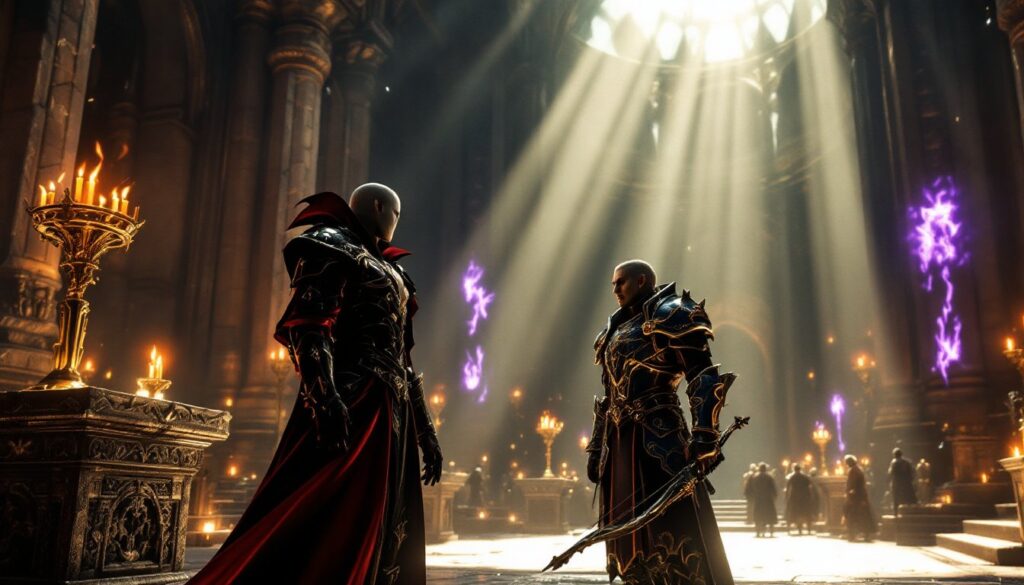
Character portraits dominate Skyrim fan art for good reason. Whether it’s a brooding Dunmer vampire, a cheerful Argonian thief, or Serana mid-spell-cast, these pieces let players see their custom characters with a level of detail the vanilla game can’t match, even with mods.
The portrait trend exploded around 2019-2020 when artists started offering commission slots specifically for player characters. You’d provide screenshots, your character’s backstory, and preferred armor set, and get back a museum-quality piece. Popular subjects include:
- Custom Dragonborn portraits in various armor sets (Daedric, Nightingale, Dragonscale)
- Follower characters like Serana, Aela the Huntress, and Lydia
- Humanized versions of non-human races, especially Khajiit and Argonians
Cosplay photography occupies a unique middle ground between fan art and real-world craft. High-quality Skyrim cosplays, complete with foam-crafted Daedric armor or hand-sewn Thieves Guild leathers, photographed in Nordic-looking forests or ruins, blur the line between game and reality. These pieces rack up thousands of shares because they’re both impressive artistry and prime inspiration for merchandise collections.
Landscape and Environmental Art
If character portraits capture the personal experience, landscape art celebrates Skyrim’s world itself. The Throat of the World at sunrise. The aurora borealis over Winterhold’s ruins. The Dwemer ruins of Blackreach with their glowing mushrooms.
These pieces appeal to both players and non-players because they stand alone as fantasy art. You don’t need to recognize Bleak Falls Barrow to appreciate a haunting oil painting of a snow-covered mountain monastery. Environmental artists often combine in-game screenshots (sometimes from modded setups) with digital overpainting or traditional media to create something that transcends the game’s technical limitations.
Recent trends include “then and now” comparisons, showing locations as they appear in vanilla Skyrim versus heavily modded setups versus full artistic reinterpretations. These showcase how far both the modding scene and artistic community have pushed the game’s visual identity.
Comic Strips and Humorous Illustrations
Not all Skyrim fan art is serious. The game’s janky physics, NPC behavior, and meme-worthy dialogue spawned an entire subgenre of comedic fan art that’s arguably more popular than the serious stuff.
Popular recurring themes:
- “I used to be an adventurer like you…” variations (this meme refuses to die)
- Bucket-on-head thievery and other stealth exploits
- Lydia’s perpetual inconvenience at being your pack mule
- Nazeem getting his comeuppance (by far the most murdered NPC in fan comics)
- Dragon attacks interrupting mundane moments like shopping or marriage ceremonies
These comic strips thrive on Reddit, Twitter, and Instagram because they’re bite-sized, relatable, and infinitely shareable. Artists like SlothTech and ChloeVDB built substantial followings purely through Skyrim humor comics. The format works because Skyrim’s bugs and quirks are part of its charm, fans celebrate them rather than complain.
Where to Find the Best Skyrim Fan Art Online
ArtStation and DeviantArt Communities
ArtStation has become the go-to platform for professional-quality game art, and Skyrim has a massive presence. Search “Skyrim” and you’ll find everything from concept art-style environment designs to character illustrations that could pass for official promotional material.
What sets ArtStation apart is the artist quality and presentation. Most uploads include process breakdowns, software used, and artist commentary, perfect if you’re learning and want to understand how a piece came together. The platform skews toward digital art, specifically:
- 3D character models and environment renders
- High-fidelity digital paintings
- Concept art reimaginings of armor sets and creatures
Many professional game artists post Skyrim fan art as portfolio pieces or passion projects. You’ll occasionally spot artists who worked on Elder Scrolls Online or other RPG titles posting their personal takes on Skyrim subjects.
DeviantArt, meanwhile, offers more variety but requires more digging. The sheer volume means quality varies wildly, but the platform’s tagging and community features make it easier to discover niche styles. DeviantArt excels for:
- Traditional media (pencil sketches, watercolors, acrylic paintings)
- Alternative styles like anime, chibi, or stylized cartoon interpretations
- Fan comics and sequential art
DeviantArt’s “Favorites” and “Collections” features let you curate galleries, making it ideal for building your own Skyrim art archive. Many artists also allow prints or downloads of wallpaper-resolution versions.
Reddit and Social Media Hubs
Reddit’s r/skyrim (4.5+ million members as of 2026) remains the central gathering point for Skyrim content of all types, including fan art. Posts get real-time community feedback, and the upvote system naturally surfaces quality work. The “Fan Art” flair makes browsing easy, though you’ll also find hidden gems in screenshot posts where players capture in-game moments that blur into accidental art.
For more curated collections, r/SkyrimPorn (even though the name, it’s SFW) focuses exclusively on high-quality screenshots and environmental photography. While not traditional fan art, these heavily modded captures often inspire traditional artists and deserve recognition as their own art form.
Instagram and Twitter work well for following specific artists rather than browsing galleries. Hashtags like #SkyrimFanArt, #Dragonborn, and #ElderScrollsArt pull in hundreds of posts daily. Instagram’s algorithm favors visual content, making it easier to discover new artists through “Explore” recommendations once you engage with a few pieces.
Pinterest flies under the radar but functions as the internet’s best Skyrim art archive. Users curate massive boards organizing art by character, location, style, and theme. It’s less about discovering new artists and more about building reference libraries, ideal if you’re planning your own fan art project or just want desktop wallpapers.
One underrated spot: Tumblr’s Skyrim tags. While the platform’s glory days are past, active Skyrim art communities remain, especially for character-focused illustration and AU (alternate universe) interpretations. According to RPG Site’s community coverage, Tumblr still hosts some of the most creative narrative-driven Skyrim art, where artists pair illustrations with short stories or character backstories.
Talented Skyrim Artists You Should Follow
A few names consistently rise to the top when discussing Skyrim fan art excellence. These artists have built reputations through consistent quality, unique styles, and deep engagement with the game’s lore.
Ray Lederer creates jaw-dropping environment art that makes you question whether you’re looking at concept art or fan work. His landscapes of Skyrim’s Nordic architecture against mountain backdrops achieve a painterly quality that feels both faithful to the game and elevated beyond it. His ArtStation portfolio is essential viewing for anyone interested in environment design.
Anastasia Bulgakova (known as Anastasia-berry on DeviantArt) specializes in character portraits with an almost photorealistic quality. Her Serana portraits in particular have become semi-canonical in fan circles, many players picture her version when thinking of the character. She takes commissions but books months in advance.
Joel Holtzman brings a grittier, darker interpretation to Skyrim subjects. His pieces often depict combat scenes, ancient Nordic ruins, or portraits with weathered, battle-scarred faces that capture the harsh reality of Tamriel. His work appears frequently on gaming news outlets when they cover Elder Scrolls community content.
Coupleofkooks (a duo) produces some of the funniest Skyrim comics online. Their art style is clean, expressive, and perfect for the game’s absurd moments. They’ve been at it since 2013 and show no signs of slowing down, proof that comedic fan art has staying power.
Ilya Nazarov tackles fan art from a 3D artist’s perspective, creating high-poly character models that could slot into a remastered version of the game. His attention to armor detail and material rendering sets a benchmark for what’s possible when combining game art skills with fan passion.
For those building collections of physical art, many of these artists sell prints through their personal storefronts or platforms like Etsy. Limited edition runs of popular poster designs from top-tier artists can appreciate in value over time, especially signed versions.
How to Create Your Own Skyrim Fan Art
Choosing Your Medium: Digital vs. Traditional
The digital-versus-traditional debate never ends, but here’s the practical breakdown for Skyrim fan art specifically.
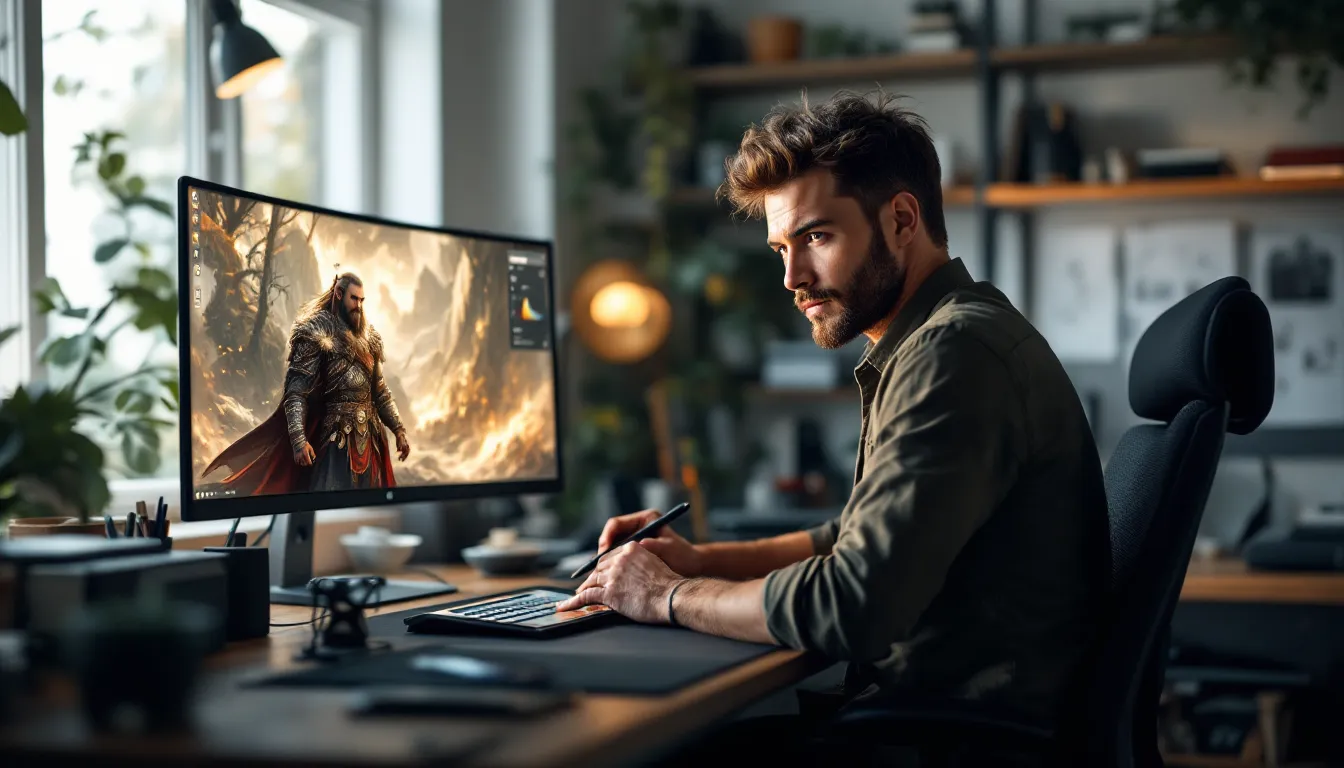
Digital art dominates because it matches the source material. Skyrim is a digital game, so digital art tools let you capture its aesthetic more directly. You can color-pick directly from screenshots, work in layers to iterate quickly, and easily share finished pieces online. Most commission artists work digitally because clients expect it and turnaround is faster.
Traditional media offers unique texture and character that stands out in a sea of digital pieces. A charcoal sketch of Alduin or watercolor painting of the Soul Cairn brings an artistic legitimacy that some viewers appreciate more. Traditional work also photographs well, making it ideal for building a portfolio that showcases versatility.
Many artists combine both. They’ll sketch traditionally, scan it, then finish digitally. Or paint traditionally, photograph it, and add digital effects. There’s no wrong answer, pick whatever medium excites you and matches your skill level. Starting with pencil sketches costs nearly nothing: diving into digital requires investment.
Essential Tools and Software for Digital Artists
If you’re going digital, here’s what the Skyrim fan art community actually uses:
Software:
- Photoshop remains the industry standard. Brush customization, layer management, and color tools are unmatched. Subscription is $54.99/month for individuals as of 2026, but student discounts cut that significantly.
- Clip Studio Paint is the preferred alternative at $54.99 one-time purchase (Pro version). Better for illustration than photo editing, with excellent brush engines and comic tools.
- Procreate ($12.99 one-time on iPad) has exploded in popularity for character portraits. Intuitive, powerful, and mobile. Many artists now do full commission work on iPad Pro alone.
- Krita (free, open-source) punches above its weight class. Not as polished as paid options but fully capable for high-quality fan art.
Hardware:
- Drawing tablets: Wacom remains the gold standard (Intuos Pro Medium at $379.95), but XP-Pen and Huion offer budget alternatives ($50-$150) that work fine for beginners.
- Display tablets: If you want to draw directly on screen, Wacom Cintiq 16 ($649.95) is the entry point. iPad Pro with Apple Pencil ($799+ for 11-inch model, 2026 pricing) offers more versatility.
Don’t obsess over gear. A $60 tablet and free software can produce professional results if you put in the hours. Skill matters infinitely more than equipment.
Finding Inspiration and Reference Material
The biggest mistake new Skyrim fan artists make: trying to work purely from memory. Even experienced artists reference heavily.
In-game screenshots are your primary resource. Fire up Skyrim (or Skyrim VR for a different perspective), use console commands to free-cam, and screenshot everything. Armor details, facial features, environmental lighting, capture it all. If you’re on PC, mods like enhanced character customization let you pose characters for reference shots.
The UESP Wiki (Unofficial Elder Scrolls Pages) contains lore, character descriptions, and location details that add depth to your art. Don’t just draw Paarthurnax, understand his history and let that inform how you portray him.
Other fan art works as inspiration, but be careful. Study techniques and composition, but avoid copying. Develop your own style by synthesizing influences rather than imitating individuals.
Real-world references matter more than you’d think. Medieval armor construction, Nordic architecture, actual dragon anatomy (fused with bat wings), grounding fantasy in reality makes it believable. Pinterest boards full of medieval references are common among Skyrim fan artists.
One pro tip: join art communities specifically focused on learning. The modding hub Nexus Mods forums occasionally host art challenges where community members create pieces around specific themes, offering feedback and encouragement.
Skyrim Fan Art in the Modding Community
The line between Skyrim fan art and Skyrim mods is increasingly blurry. Many texture overhauls, character presets, and UI replacements begin as fan art projects that evolve into playable content.
Texture artists start with 2D digital painting skills, then learn to map those textures onto 3D models. Popular armor retexture mods like “Elaborate Textiles” or “aMidianBorn Book of Silence” are essentially fan art applied to game assets. These artists often maintain both a mod portfolio and a standalone art gallery.
Loading screen replacements are pure fan art insertion. Artists create illustrations or paintings that replace vanilla loading screens, turning every area transition into a mini art exhibition. Some mod packs include hundreds of custom screens from dozens of artists.
Character preset mods let players use recreations of fan art characters. If an artist posts a stunning portrait of their Dragonborn, they might also share the RaceMenu preset file so others can play that exact character. This symbiosis between visual art and modding strengthens both communities.
The modding scene also creates subjects for fan art that don’t exist in vanilla Skyrim. Custom followers, new armor sets, and quest mods with original characters all spawn their own art ecosystems. Artists draw characters from popular mods like “Inigo” or “Interesting NPCs,” expanding the fan art universe beyond Bethesda’s original content.
Legal Considerations for Skyrim Fan Artists
Let’s address the legal elephant in the room: fan art exists in a gray area, but Bethesda has historically been chill about it. They understand that fan content, including art, keeps their games alive between releases.
You can:
- Create and share fan art freely on social media, art platforms, and personal websites
- Sell prints, commissions, and physical products featuring your Skyrim fan art (Bethesda rarely enforces against individual artists)
- Accept commissions for custom character portraits or interpretations
- Use Skyrim imagery as part of your portfolio to showcase skills
You cannot:
- Use official Bethesda promotional art and claim it as yours
- Create products that could be confused with official merchandise (using Bethesda/Elder Scrolls logos, exact packaging mimicry)
- Mass-produce merchandise at a scale that competes with official products
Practically speaking, thousands of artists sell Skyrim prints on Etsy, Redbubble, and at conventions without issue. Bethesda’s enforcement focuses on large-scale commercial operations or products that could damage the brand. A $25 Etsy print of your custom Khajiit? You’re fine.
If you’re worried, add disclaimers like “Fan art inspired by The Elder Scrolls V: Skyrim. All trademarks are property of Bethesda Softworks.” It won’t provide legal immunity but shows good faith.
One complication: commissioned character portraits commissioned by players who then claim copyright. Standard practice: the artist retains copyright to the artwork itself, while the commissioner gets personal use rights. Always clarify this in writing before starting work to avoid disputes.
Sharing and Monetizing Your Skyrim Artwork
Creating art is half the battle. Getting eyes on it and potentially making money requires strategy.
Platform strategy matters. Don’t just post everywhere randomly:
- ArtStation/DeviantArt: For building an art-focused portfolio and connecting with other artists
- Reddit (r/skyrim): For immediate community feedback and high visibility during peak hours (evenings US time)
- Instagram/Twitter: For building a following and getting commission inquiries
- Etsy/Redbubble: For passive income through print sales without handling fulfillment
Hashtag research seems tedious but works. Track which tags actually bring engagement. #SkyrimArt gets buried: #ElderScrollsFanArt or #Dragonborn sometimes perform better. Platform-specific tags like #ArtStationHQ can boost visibility.
Monetization options:
-
Commissions are the most direct. Price based on complexity: $50-$100 for simple character portraits, $150-$300 for detailed full-body illustrations with backgrounds, $500+ for commercial use or complex scenes. Advertise open slots on Twitter/Instagram: use commission queue tools like Trello to manage workflow.
-
Print sales through print-on-demand services require zero upfront cost. Upload designs to Redbubble, INPRNT, or Society6, and they handle printing, shipping, and customer service. Your cut is smaller (20-30% typically), but it’s passive income.
-
Patreon works if you produce consistently. Offer sketch tiers ($5/month for weekly sketches), full piece tiers ($15/month for monthly finished art), or even tutorials and process videos ($25+/month). Success requires posting regularly and engaging with patrons.
-
Art books and zines let you compile your best work. Self-publish through Blurb or Lulu, sell at conventions, or distribute digitally. Collaborative Skyrim art zines occasionally organize through Twitter, where multiple artists contribute to themed collections.
Timing matters for visibility. New content gets buried fast on platforms like Reddit and Twitter. Post during high-traffic windows: weekday evenings (6-9 PM EST) or weekend afternoons. Track your analytics to identify when your audience is most active.
Don’t undersell yourself. Quality Skyrim fan art has real value, to collectors, to fellow fans, and to your own development as an artist. Price your work appropriately, watermark preview images (but don’t overdo it), and don’t work for “exposure” unless it’s exposure you actually want.
Conclusion
Fifteen years in, Skyrim’s fan art community shows zero signs of slowing. If anything, it’s accelerating. Better tools, more accessible platforms, and a community that genuinely celebrates creativity have created an ecosystem where artists of all skill levels can find an audience.
Whether you’re here to appreciate art, commission a piece of your character, or create your own, Skyrim offers endless inspiration. The game’s staying power isn’t just about mods and memes, it’s about the personal connection millions of players feel to their adventures in Tamriel. Fan art captures that connection and shares it, keeping the fires of creativity burning as bright as the forges of Skyforge.
Grab your stylus, your pencil, or your mouse. Skyrim is waiting for your interpretation.