
Table of Contents
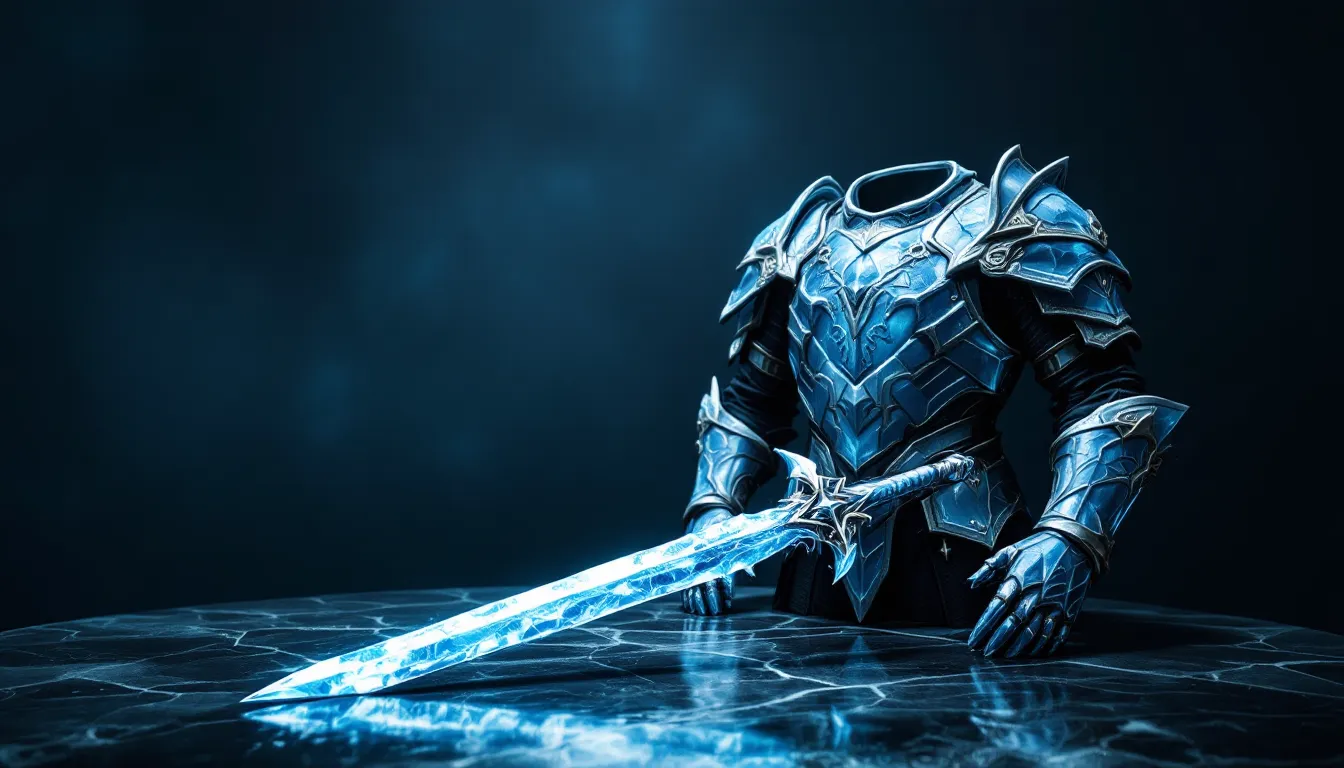
ToggleStalhrim is one of Skyrim’s most visually striking and mechanically rewarding materials, a shimmering blue-white ore that looks like frozen starlight. It’s exclusive to the Dragonborn DLC’s Solstheim island, and unlike iron or steel, you can’t just stumble across it and start swinging your pickaxe. Unlocking the ability to mine and craft with stalhrim requires a specific quest, the right perks, and a bit of exploration across the ash-covered landscape.
But the effort pays off. Stalhrim gear doesn’t just look incredible, it delivers a unique 25% boost to frost enchantments and comes with competitive base stats that rival Dragonbone and Daedric equipment. Whether players are building a frost-focused battlemage, optimizing a two-handed berserker, or just want armor that screams “I conquered Solstheim,” stalhrim is worth the trip north.
Key Takeaways
- Stalhrim ore in Skyrim is exclusive to Solstheim and requires completing ‘A New Source of Stalhrim’ quest plus Smithing level 80 with the Ebony Smithing perk to mine and craft.
- Stalhrim delivers a unique 25% boost to frost and Chaos Damage enchantments, making it more powerful than Dragonbone or Daedric gear for cold-focused builds.
- Stalhrim deposits respawn every 30 in-game days at key locations like Northshore Landing and Benkongerike, making it easily farmable once unlocked.
- Stalhrim weapons and heavy armor offer competitive base stats and striking ice-blue aesthetics, combining function with visual appeal for Nord-themed characters.
- Chaos Damage is the optimal enchantment for stalhrim weapons, dealing up to 33% frost damage that multiplies by the material’s 25% bonus for exceptional DPS potential.
- Players should mark deposit locations and farm stalhrim ore regularly while completing other Solstheim quests to efficiently gather materials for full armor sets and weapon collections.
What Is Stalhrim and Why Is It Special?
The Lore Behind Stalhrim
Stalhrim, also known as “enchanted ice,” has deep roots in Skyrim’s Nord history. The material is ancient, used by the Skaal tribe of Solstheim to entomb their honored dead. According to Skaal tradition, stalhrim preserves the body and spirit, preventing desecration and ensuring warriors rest in peace. The Skaal guard the secrets of working stalhrim closely, making it inaccessible to outsiders until the Dragonborn earns their trust.
During the Fourth Era, the material gained renewed interest when miners and adventurers discovered deposits across Solstheim. But without the Skaal’s knowledge, stalhrim deposits remained unmineable, just pretty blue rocks that couldn’t be harvested. The lore adds weight to every piece of stalhrim gear: it’s not just strong, it’s sacred.
Unique Properties and Benefits
Stalhrim’s signature trait is its 25% boost to frost enchantments and the frost portion of Chaos Damage. This multiplier is baked into the material itself, making stalhrim weapons and armor uniquely synergistic with cold-based builds. A stalhrim sword enchanted with frost damage will deal significantly more damage than the same enchantment on Daedric or Dragonbone.
Beyond the frost bonus, stalhrim equipment has competitive base stats. Stalhrim light armor matches the armor rating of Dragonscale, while stalhrim heavy armor sits just below Dragonplate. Weapons have damage values comparable to Daedric gear. The combination of solid fundamentals and a powerful enchantment multiplier makes stalhrim a top-tier choice for specific builds, especially those leaning into frost or Chaos Damage.
Visually, stalhrim stands out. The icy blue-white sheen is instantly recognizable, and it pairs beautifully with Nordic and frost-themed aesthetics. For players who care about fashion as much as function, stalhrim delivers both.
Where to Find Stalhrim in Skyrim
Stalhrim Deposits on Solstheim
Stalhrim deposits are scattered across Solstheim, but they only become mineable after completing the quest “A New Source of Stalhrim.” Once unlocked, players can harvest these glowing blue-white veins just like any other ore.
Key stalhrim deposit locations include:
- Northshore Landing: Multiple deposits near the fast travel point, making it one of the most convenient farming spots.
- Benkongerike Great Hall: A Dwemer ruin with several stalhrim veins inside, though players will need to fight through Rieklings and other enemies.
- Gyldenhul Barrow: Contains stalhrim deposits alongside other loot: this dungeon is also tied to the “Deathbrand” quest.
- Kolbjorn Barrow: Features stalhrim during the “Unearthed” quest, though accessibility depends on quest progression.
- Scattered veins: Additional deposits can be found in caves, ruins, and along the northeastern coastline of Solstheim.
Each deposit yields 3-5 pieces of stalhrim ore, and like other ore veins, they respawn after 30 in-game days. Players serious about crafting multiple sets should mark these locations for regular farming runs.
Other Sources for Stalhrim
Beyond mining, stalhrim can be acquired through a few alternative methods:
- Merchant inventories: After completing “A New Source of Stalhrim,” Baldor Iron-Shaper in Skaal Village occasionally stocks stalhrim ore and crafted pieces. His inventory is limited and respawns slowly, so it’s not a primary source.
- Enemy loot: Certain high-level Solstheim enemies, particularly those in Dwemer ruins and Nordic tombs, sometimes carry stalhrim weapons or armor. This is unreliable but can net a piece or two during dungeon crawls.
- Quest rewards: The “Unearthed” quest provides access to stalhrim ore as part of the excavation of Kolbjorn Barrow.
For consistent supply, mining remains the best option. Players should stockpile ore early if they plan to craft full armor sets and multiple weapons.
How to Mine Stalhrim: Unlocking the Ancient Knowledge
Completing ‘A New Source of Stalhrim’ Quest
The quest “A New Source of Stalhrim” is the gateway to mining this material. It’s a straightforward side quest that begins in Skaal Village after progressing through the main Dragonborn questline.
To start the quest, players must first complete “The Fate of the Skaal,” which involves freeing the Skaal from Miraak’s influence by cleansing the Wind Stone. Once the Skaal are free, speak to Deor Woodcutter in Skaal Village. He’ll mention that Baldor Iron-Shaper, the village blacksmith, has gone missing.
Deor directs players to Abandoned Lodge, a small location southwest of Skaal Village. Inside, Baldor is being held captive by Thalmor agents. Clear out the Thalmor (typically 2-3 soldiers), free Baldor, and he’ll return to the village. As thanks, Baldor teaches the Dragonborn the secret of crafting stalhrim, which includes the ability to mine stalhrim deposits and smith stalhrim equipment.
Requirements and Prerequisites
Before attempting to mine or craft stalhrim, players need to meet a few conditions:
- Complete “The Fate of the Skaal”: This is mandatory to unlock “A New Source of Stalhrim.” The quest is part of the main Dragonborn DLC storyline, so most players will encounter it naturally.
- Finish “A New Source of Stalhrim”: Until Baldor teaches the secret, stalhrim deposits cannot be mined and stalhrim recipes won’t appear at forges.
- Smithing level 80 and Ebony Smithing perk: Crafting stalhrim gear requires the Ebony Smithing perk in the Smithing tree, which unlocks at level 80 Smithing. This is the same tier as Ebony equipment, sitting one step below Daedric and Dragonbone.
Once these requirements are met, players can mine stalhrim ore from deposits and craft a full range of weapons and heavy armor at any forge. The unlock is account-wide for that playthrough, so there’s no need to repeat the quest on the same character.
Crafting with Stalhrim: Weapons and Armor
Stalhrim Weapons and Their Stats
Stalhrim weapons cover the standard arsenal, each with base damage comparable to Dragonbone and slightly below Daedric in some cases. Here’s the full weapon lineup with base damage values:
- Stalhrim Dagger: 10 base damage, 0.7 speed, ideal for dual-wield and sneak builds.
- Stalhrim Sword: 13 base damage, 1.0 speed, a versatile one-handed option.
- Stalhrim War Axe: 14 base damage, 0.9 speed, trades slightly slower swing speed for extra damage.
- Stalhrim Mace: 16 base damage, 0.8 speed, the hardest-hitting one-handed stalhrim weapon.
- Stalhrim Greatsword: 24 base damage, 0.7 speed, a solid two-handed choice.
- Stalhrim Battleaxe: 26 base damage, 0.6 speed, delivers massive damage per hit with slower swings.
- Stalhrim Warhammer: 28 base damage, 0.6 speed, the heaviest hitter in the stalhrim arsenal.
- Stalhrim Bow: 17 base damage, 1.0 speed, matching Ebony and Daedric bow damage.
All stalhrim weapons benefit from the 25% frost enchantment boost, making them particularly lethal when paired with frost damage or Chaos Damage enchantments. For players following popular armor optimization strategies, pairing stalhrim weapons with frost-focused builds maximizes damage output.
Stalhrim Heavy Armor Pieces
Stalhrim armor is heavy-only, there’s no light armor variant. The full set provides excellent protection, with armor ratings sitting between Ebony and Dragonplate:
- Stalhrim Helmet: 23 armor rating
- Stalhrim Armor: 46 armor rating
- Stalhrim Gauntlets: 18 armor rating
- Stalhrim Boots: 18 armor rating
- Stalhrim Shield: 34 armor rating
A full set (excluding shield) provides 105 base armor rating, which climbs significantly with Smithing improvements and Heavy Armor perks. The armor’s frost enchantment bonus applies here too, making it ideal for enchanting with Resist Frost or other defensive frost-related effects, though most players focus the bonus on offensive enchantments.
Crafting Requirements and Smithing Perks
Crafting stalhrim equipment requires specific materials per piece. Here’s the breakdown:
Weapons (vary by type, typical requirements):
- 1-2 stalhrim ore
- 1 leather strip
- Additional materials depending on weapon (e.g., firewood for bows)
Armor pieces:
- Helmet: 3 stalhrim, 1 leather strip
- Armor: 5 stalhrim, 3 leather strips
- Gauntlets: 2 stalhrim, 2 leather strips
- Boots: 3 stalhrim, 2 leather strips
- Shield: 4 stalhrim, 1 iron fitting
A full armor set requires 17 stalhrim ore (plus shield brings it to 21). Players should plan multiple mining trips to Northshore Landing or Benkongerike to gather enough material.
The Ebony Smithing perk is mandatory for crafting. Improvement at grindstones and workbenches also benefits from the perk, allowing stalhrim gear to reach Legendary quality with sufficient Smithing skill and fortify Smithing enchantments or potions.
Best Enchantments for Stalhrim Equipment
Chaos Damage and Frost Enchantment Synergy
The single best enchantment for stalhrim weapons is Chaos Damage, found exclusively on the unique weapon Champion’s Cudgel in the Dragonborn DLC. Chaos Damage has a 50% chance to deal fire, frost, or shock damage with each hit, and the frost portion benefits from stalhrim’s 25% multiplier.
Here’s why Chaos Damage dominates:
- The enchantment scales incredibly well with the Augmented Frost perk, Enchanting bonuses, and stalhrim’s innate boost.
- Even though only one-third of the effect is frost, the multiplier applies to that portion, making Chaos Damage on stalhrim weapons vastly more effective than on other materials.
- With high Enchanting skill and the right perks, Chaos Damage on stalhrim can become one of the highest-DPS enchantments in the game.
To acquire the enchantment, players must disenchant Champion’s Cudgel, found in Gyldenhul Barrow as part of the “Deathbrand” quest. It’s a one-time find, so disenchanting it is a permanent trade-off.
Alternatively, pure Frost Damage enchantments work excellently on stalhrim. They’re easier to find (absorb frost damage from many loot sources) and benefit fully from the 25% bonus. For players not running Chaos Damage, frost is the obvious second choice.
Optimal Enchantments for Armor
While stalhrim armor can be enchanted with frost-based effects to take advantage of the multiplier, most players opt for more versatile defensive or utility enchantments:
- Fortify Health: Always useful for survivability, especially on heavy armor builds.
- Fortify Heavy Armor: Pushes armor rating to the cap faster, freeing up other gear slots for offense.
- Fortify Two-Handed / One-Handed: Maximizes weapon damage output.
- Resist Magic: Provides broad protection against elemental attacks and spells.
The frost enchantment bonus on armor is less impactful than on weapons, so players shouldn’t feel locked into frost-themed armor enchants. Focus on build synergy first, aesthetics second. Communities like modding hubs sometimes offer expanded enchantment options for players looking to experiment further with stalhrim’s unique properties.
Stalhrim vs. Other High-End Materials
Stalhrim vs. Dragonbone and Daedric
Stalhrim sits in an interesting position compared to the two traditional endgame materials: Daedric and Dragonbone. Here’s how they stack up:
Base stats:
- Dragonbone weapons have the highest base damage (e.g., Dragonbone Greatsword at 25 vs. Stalhrim’s 24).
- Daedric weapons match or slightly exceed stalhrim in some categories (e.g., Daedric Warhammer at 27 vs. Stalhrim’s 28).
- Stalhrim heavy armor has slightly lower armor rating than Dragonplate but higher than Ebony.
Enchantment synergy:
- Stalhrim’s 25% frost/Chaos Damage boost can push its effective damage output above both Dragonbone and Daedric when properly enchanted.
- Daedric and Dragonbone offer no enchantment bonuses, making them neutral canvases for any enchant.
Material availability:
- Dragonbone requires dragon kills and scales with player level: it’s farmable but time-intensive.
- Daedric requires Daedra Hearts, which are rare and expensive unless players farm Dremora or exploit respawning sources.
- Stalhrim is location-gated to Solstheim but easily farmable once “A New Source of Stalhrim” is complete.
Aesthetics:
- Stalhrim’s icy blue glow is polarizing, players either love it or prefer Daedric’s black-and-red or Dragonbone’s bone-white motif.
For raw base stats, Dragonbone edges ahead. But for frost-focused or Chaos Damage builds, stalhrim outperforms both. Players pursuing unique collectibles often craft all three for variety.
When to Choose Stalhrim Over Alternatives
Stalhrim is the best choice in these scenarios:
- Frost mage hybrids: Combining frost spells, frost shouts, and frost-enchanted stalhrim weapons creates a thematic and mechanically cohesive build.
- Chaos Damage optimization: If players have disenchanted Champion’s Cudgel, stalhrim weapons are the uncontested best platform for Chaos Damage.
- Aesthetic preference: For Nord or Skaal roleplays, stalhrim fits the lore and visual theme perfectly.
- Solstheim-focused playthroughs: Players spending significant time on the island benefit from the readily available ore.
Choose Dragonbone or Daedric when:
- Running non-frost enchantments (fire, shock, absorb health, etc.).
- Preferring the highest possible base damage without enchantment dependency.
- Wanting a different visual style.
Stalhrim isn’t a universal “best” material, but in its niche, it’s unbeatable. Players tackling difficult content like challenging boss encounters often experiment with multiple setups to find what clicks.
Tips for Maximizing Your Stalhrim Farming
Efficiently gathering and using stalhrim requires some planning. Here are practical tips to streamline the process:
Mark deposit locations: Use the in-game map markers or take notes on high-yield spots like Northshore Landing and Benkongerike. Fast-traveling between these locations every 30 in-game days ensures a steady supply.
Bring a follower with high carry weight: Stalhrim ore has weight, and mining multiple veins can fill inventory quickly. Followers like Lydia or Frea (a Solstheim companion) can haul extra ore. According to guides on game optimization platforms, efficient inventory management is key during long farming sessions.
Use Transmute (if applicable): While Transmute Mineral Ore doesn’t work on stalhrim, players can transmute iron/silver to gold to fund purchases of ore from Baldor or crafting materials from other vendors.
Combine with other Solstheim activities: Farming stalhrim pairs well with completing other Dragonborn content, quests, exploring ruins, hunting rare artifacts and gear. This makes farming trips feel less grindy.
Invest in Smithing perks and gear early: Fortify Smithing enchantments and potions dramatically increase the improvement ceiling for stalhrim gear. Players should prioritize Enchanting and Alchemy alongside Smithing for maximum benefit.
Craft multiple pieces for experimentation: Stalhrim’s enchantment bonus encourages testing different builds. Craft extra weapons to try Frost Damage, Absorb Health, and Chaos Damage side by side. The material cost is manageable with regular mining.
Don’t sleep on armor: While stalhrim heavy armor doesn’t benefit as much from the frost boost, it still looks incredible and offers competitive protection. Players can mix stalhrim armor with other sets for hybrid aesthetics or use it as a dedicated “frost knight” set.
For players managing multiple builds or housing custom gear collections, dedicating storage to stalhrim ore and crafted pieces keeps everything organized. The material respawns reliably, so running out is rarely an issue once farming routes are established.
Conclusion
Stalhrim is more than just another crafting material, it’s a build-defining resource that rewards specialization. The 25% frost and Chaos Damage boost sets it apart from every other endgame option, and the visual appeal makes it a favorite for Nord and frost-themed characters. Yes, unlocking it requires a trip to Solstheim and a specific quest, but the payoff is a full arsenal of weapons and armor that punch above their weight class when enchanted correctly.
Whether players are optimizing a frost mage warrior hybrid, chasing the highest possible DPS with Chaos Damage, or simply want gear that screams “I conquered the frozen north,” stalhrim delivers. Farm the deposits, invest in the Smithing perks, and experiment with enchantments. The frozen material might just become the cornerstone of the next legendary build.